
Recognising and Responding to Seizures in Children
Observing your child having a seizure can be extremely terrifying. Most seizures in children will stop without any medication but it is important to know how to keep the child safe while getting help.
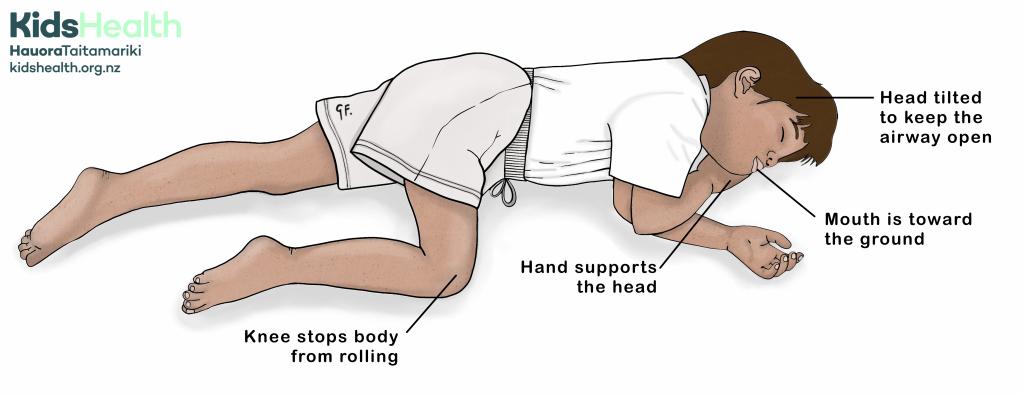
- Make sure the person is in safe area – move any potential hazards away (coffee cups, scarves, sharp toys) and if possible, gently place them on the floor in the *recovery position
- Ask someone to call for help and start a timer
- If the ground is hard, use a small cushion or folded up piece of clothing to cushion their head. This is not necessary if on grass or carpeted flooring
- Stay with the child and talk to them. Do not ask them questions that require a response. Instead reassure them that you are with staying them and help is on the way
- Observe which limbs are jerking or if possible video the seizure. This will provide useful information for the person deciding on the next steps in investigation and treatment
- Note down the duration of the seizure
Children should always be seen at the hospital if:
- It is the first time they have had a seizure
- The seizure is different from their typical seizures – eg. It has lasted longer or appeared different
- The start of the seizure was not witnessed so the duration is uncertain
- The person does not return to their normal self after the seizure
- The person gets injured during the seizure
Children who are known to have a seizure disorder will often have a seizure plan which specifies when they should be reviewed by a doctor and who to contact.
There are a few myths around which can cause confusion about the best way to support someone during a seizure
Myth #1: Place a spoon in their mouth will prevent them biting their tongue – placing someone in the recover position is the safest way to keep the airway open for effective breathing during a seizure. Sometimes people may bite themselves, have an increase in salivary secretions or make gurgling noises during the seizure. Placing an object in their mouth may increase the risk of choking or further injury.
Myth: Restrain the person to stop them from harming themselves. While it is tempting to protect and comfort the person having the seizure by restraining or hugging them, this may cause injury to you or the person having a seizure and will limit the observer from gathering useful information about which limbs were involved in the seizure.
Myth: If the body is not jerking, it is not a seizure. Some seizures involve an obvious loss of consciousness, change in body, tone and jerking of limbs. But there are seizures that are subtle and may involve staring into space, twitching of a small part of the face or body, changes in vision, a sensation of unusual sounds or smell or even laughter.
Myth: seizures are painful: Most people are not aware during a seizure. After the seizure, they may appear startled as they regain consciousness or a child will cry. Sometimes people can feel tired or experience muscular pain after the seizure but they do not experience pain during the seizure.
*Seizure recovery position
A Partner in Your Child’s Care – From Birth to Adolescence
Choosing a paediatrician is not just about qualifications or convenience — it’s about trust, continuity, and knowing that someone truly understands your child and your family. From the first moments after birth, through the busy early years, and into the complex world of adolescence, having a consistent, experienced paediatric team by your side can make all the difference.
At Integra Healthcare, our Paediatrics Department is built around long-term relationships and team-based care. Our paediatricians bring a rare depth of experience across both paediatrics and neonatal medicine, with full admitting rights to Cayman’s hospitals, strong links with specialist services, and a shared commitment to being accessible, responsive, and supportive. Whether you’re welcoming a newborn, navigating developmental concerns, managing chronic conditions, or supporting a teenager through challenging years, you’ll find a team that listens, explains, and walks the journey with you.
If you’re currently choosing a paediatrician in Cayman — or simply want to explore whether Integra is the right fit for your family — we warmly encourage you to meet us.
You may also like to read…

Integra Healthcare Launches Consultant-Led Ophthalmology Service in Grand Cayman, Led by Dr Brenda Mulenga
Integra Healthcare has launched a new consultant-led Ophthalmology service, offering residents of the Cayman Islands comprehensive specialist eye care, from…
In the News: Integra Healthcare & Diabetes Eye Health
We’re proud to share recent media coverage highlighting Integra Healthcare’s commitment to specialist, patient-centred care in the Cayman Islands. In…

Virtual Lactation Support. Yes, It Actually Works.
By Katy Teasdale, RN, BSN, IBCLC When people hear “virtual lactation support,” they often picture a grainy video call and…