
Photodynamic Therapy (PDT)
Photodynamic Therapy (PDT) is a safe, clinically proven, non-invasive treatment used in dermatology to target specific skin conditions, including some forms of skin cancer and precancerous lesions. Offered at Integra Healthcare’s dermatology department in Grand Pavilion, this treatment uses a combination of light-sensitive cream and a specific wavelength of light to selectively destroy abnormal skin cells with minimal impact on the surrounding healthy tissue.
PDT is most commonly used to treat actinic keratosis (sun-damaged, scaly skin), superficial basal cell carcinoma, Bowen disease (squamous cell carcinoma in situ), and in some cases, persistent acne. It may also be considered as an off-label treatment for other dermatologic conditions such as rosacea and certain pigmentation disorders, depending on your specific diagnosis and the recommendation of your dermatologist.
Your Questions Answered
Photodynamic Therapy may be recommended for patients with certain precancerous or cancerous skin conditions. It is suitable for treating actinic keratosis, superficial basal cell carcinoma, Bowen disease, and select cases of acne. PDT may also be considered when surgical removal is not preferred, especially in cosmetically sensitive areas. Your dermatologist will assess your skin and medical history to determine if PDT is a suitable treatment option.
PDT is a non-surgical dermatological treatment that uses a photosensitising agent, typically aminolevulinic acid (ALA), which is applied to the skin and absorbed by abnormal or damaged cells. After a few hours of incubation, the treated area is exposed to a specific light source (commonly blue or red light), activating the photosensitiser. This light activation destroys the targeted cells while sparing surrounding healthy tissue. The process is carefully monitored by your dermatologist to ensure precision and comfort.
Photodynamic Therapy is carried out at Integra Healthcare’s dermatology clinic in Grand Pavilion. The treatment area is equipped with state-of-the-art medical lighting systems and a calm, private environment designed to support safe and effective care.
PDT is available by appointment, scheduled based on your skin condition and the treatment plan outlined by your dermatologist. Most appointments are held during regular clinic hours, and pre-treatment instructions will be provided in advance.
PDT is most effective for:
- Actinic keratosis (scaly, sun-damaged skin)
- Superficial basal cell carcinoma (a type of non-melanoma skin cancer)
- Bowen disease (squamous cell carcinoma in situ)
- Acne and certain inflammatory lesions
- Some off-label uses including rosacea, pigmentation concerns, and photo-rejuvenation
Side effects of PDT are usually mild and temporary. Patients may experience stinging, tingling, or a sunburn-like sensation during or shortly after the procedure. Redness, swelling, peeling, or mild blistering of the treated area may occur for a few days. In rare cases, scarring or changes in pigmentation can result. Your dermatologist will provide detailed aftercare instructions, including guidance on sun exposure and the use of sunscreen to protect treated skin.
PDT offers an effective, non-invasive alternative to surgery or prolonged topical therapies. It is especially useful for treating multiple skin lesions in one session, or for areas where scarring from surgery may be more noticeable. It allows patients to avoid general anaesthesia and often involves minimal downtime.
After your PDT session, you will be given personalised aftercare instructions. Avoiding sun exposure is essential, as treated skin is temporarily light-sensitive. You will be advised to apply sunscreen regularly and may require follow-up appointments to monitor healing or assess the need for additional treatment sessions.
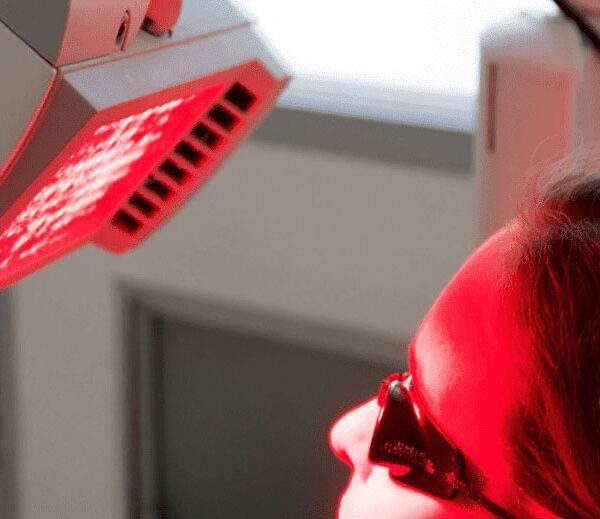
PDT Technology at Integra
Our dermatology department is equipped with medical-grade red and blue light systems, specifically designed for use in PDT treatment. These state-of-the-art devices emit light at a controlled wavelength that effectively activates the photosensitising agent applied during the pre-treatment phase.
The choice of light treatment, red or blue, depends on the condition being treated. Blue light is typically used for more superficial lesions like actinic keratoses, while red light is often chosen for deeper lesions such as superficial basal cell carcinoma. The equipment ensures uniform light exposure, patient safety, and a comfortable treatment environment for effective results with minimal discomfort.

Dr Davide Altamura
MD Dermato-Surgery
Specialist Dermatologist
Dr Davide Altamura is a highly experienced consultant dermatologist and dermatology surgeon with a special interest in the diagnosis and management of skin cancer. He has received awards and published extensively in the field of dermoscopy, focusing on the identification of both malignant and benign skin lesions. Dr Altamura offers expertise in adult and paediatric dermatology, skin cancer screening, dermatologic surgery, and the management of complex and chronic skin conditions. He frequently incorporates evidence-based treatments such as Photodynamic Therapy into skin cancer care plans when appropriate.
Services
- Adult & Paediatric Dermatology
- Skin Cancer Screening & Management
- Expert Dermoscopy Services
- Dermatology Surgery, Procedures & Biopsies
- Management of Acute & Chronic Conditions

Dr Alison Duncan
MBBS FRCP MSc
Specialist Dermatologist In Cayman
Dr Alison Duncan is a UK-trained dermatologist with over 12 years of consultant-level experience, including seven years at the Lancashire Teaching Hospitals NHS Trust. She has a strong background in managing skin conditions in patients of all skin tones and a particular interest in the detection and management of skin cancer. Dr Duncan’s approach combines clinical precision with patient-centred care, and she regularly recommends non-invasive therapies such as PDT when clinically appropriate.
Services
- Adult & Paediatric Dermatology
- Skin Cancer Screening & Management
- Allergic, Autoimmune & Other Skin Conditions
- Procedures, Biopsies & Cryotherapy
- Genital or Vulval Skin Conditions

Dr Nevianna Bordet trained and worked in Cambridge, UK, and brings over 15 years of consultant-level dermatology experience. Her clinical expertise spans both adult and paediatric dermatology, with a focus on eczema, acne, and skin cancer. Dr Bordet has led multidisciplinary vulval dermatology clinics and continues to manage patients with a wide range of skin conditions using a modern, evidence-based approach. She offers PDT when indicated for the treatment of actinic keratosis and other non-melanoma skin cancers.
Services
- Adult & Paediatric Dermatology
- Skin Cancer Screening & Management
- Procedures, Biopsies & Cryotherapy
- Genital or Vulval Skin Conditions
Clinic Location & Open Times
The Grand Pavilion Commercial Centre, Hibiscus Way, 802 West Bay Road.
- Monday to Friday: 8.30am first appointment, 4.30pm last appointment
- Saturday: 8.30am first appointment, 12.30pm last appointment

Latest News

Virtual Lactation Support. Yes, It Actually Works.
By Katy Teasdale, RN, BSN, IBCLC When people hear “virtual lactation support,” they often picture a grainy video call and…

Health Needs of Children with Autism
Even though Autism affects how a child’s brain develops, it can also be associated with other health conditions. Children on…

7 Things You Should Know About the Meningitis Outbreak in the U.K.
We have received many calls with regards to the current Meningitis outbreak amongst teenagers in Kent, UK. It is of…