
Virtual Lactation Support. Yes, It Actually Works.
By Katy Teasdale, RN, BSN, IBCLC
When people hear “virtual lactation support,” they often picture a grainy video call and wonder how on earth someone could help with breastfeeding through a screen. Fair question.
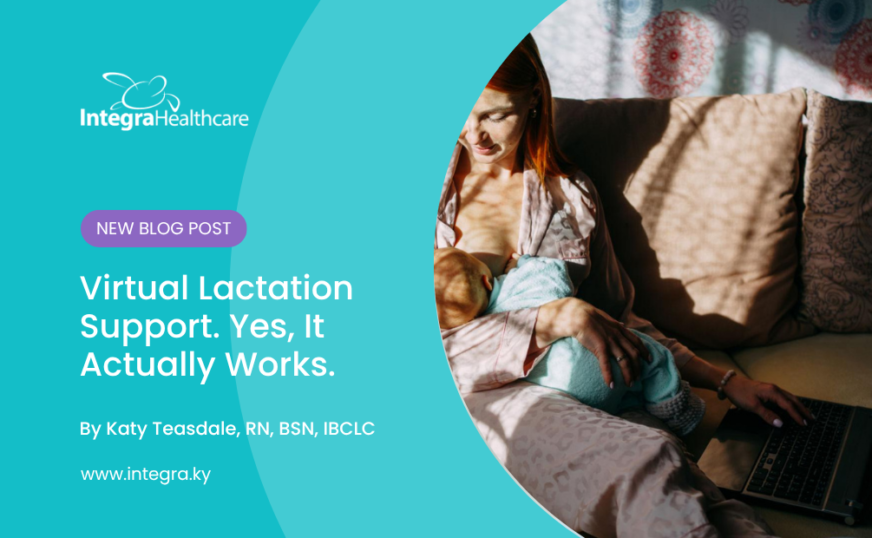
But here’s the truth. Virtual IBCLC breastfeeding support works really well. As an international board certified lactation consultant, I provide evidence-based care that meets families where they are, whether that’s through telehealth or in-person consults. In many situations it works just as well as in person, and sometimes even better.
Why? Because I get to see you in your real life. Not the rushed version of you that packed a diaper bag, drove across town, and is trying to feed a baby under fluorescent lights in an unfamiliar clinic room. I get to see you on your couch, in your chair, in your own home, in the place where feeding actually happens every day. That gives me a much clearer picture of what’s really going on in your breastfeeding journey.
Babies are more themselves at home. Babies tend to cooperate more when they are in their own space. They are not adjusting to a new room or a car ride or a shift in their routine. They are just doing what they normally do. Which means I get to observe a more natural feed and assess things like latch, positioning, and how effectively your baby is transferring breast milk. That makes it easier for me to spot small things that can make a big difference. Sometimes a tiny shift in positioning or latch can completely change how feeding feels and help ensure your baby is getting enough milk.
You get support faster. One of the biggest benefits of virtual care is access. Whether you are a first time mom, navigating postpartum recovery, or adjusting after a NICU stay with a neonatal team, getting timely breastfeeding support matters. Waiting weeks for help can turn a small bump into a stressful situation, especially when concerns like low milk supply or pain arise.
Virtual consultation appointments mean you can get guidance sooner, often before things spiral into bigger challenges. Sometimes families just need reassurance. Sometimes they need a structured care plan that aligns with their breastfeeding goals. Both can happen virtually, and both are part of good lactation care.
It is surprisingly comprehensive. A virtual visit is not just a quick chat. We can accomplish a lot together. During our time, we can look at how your baby is latching and feeding, assess milk supply, and talk through pumping routines with your breast pump, including flange sizing and comfort. We can troubleshoot nipple pain and care.
We can also walk through an oral assessment (something we often did during Covid, and parents quickly became very confident at understanding their babies). We can build a feeding plan that fits your life, whether you are exclusively breastfeeding, combination feeding, or preparing for weaning.
We can cover bottle introduction, returning to work, and how to maintain your breast milk supply. If you are working with other providers, such as your paediatrician, doula, or wider healthcare team, I can help ensure your lactation support is aligned and coordinated. My goal is always the same. You leave the conversation feeling clearer and more confident than when you arrived.
You do not need much to make it work.
Virtual visits are wonderfully simple. You need a phone, tablet, or computer with video. You need your baby nearby and ready to feed during the appointment if possible. If you are using tools like a pump, bottles, or a nipple shield, having those nearby is helpful.
And that’s it. No packing the car. No rushing out the door with a newborn. No trying to time the baby perfectly for an appointment. Just you, your baby, and a conversation that focuses on what is actually happening in your feeding journey.
For families in the Cayman Islands, this kind of in-home lactation support can make a real difference, especially in the early postpartum period. Whether through a virtual visit or telehealth check-in, care can happen in a way that feels accessible and realistic. Some families may also choose to combine virtual care with in-person consults or connect with a local support group when needed.
If you feel like feeding support would help, you are absolutely allowed to ask for it. This is true whether you are navigating early days, concerns about enough milk, or working toward long-term breastfeeding goals. Virtual lactation visits with me will be available starting in April. You can book through the clinic front desk, explore insurance plans that may cover care, or speak with your doctor about arranging a virtual consult.
Breastfeeding is natural, but it is also learned. With the right breastfeeding support, guidance, and an evidence-based approach, families can feel more confident in their decisions. Sometimes one conversation is enough to shift things in a really positive direction.
And yes, that can absolutely happen through a screen.
You may also like to read…
Virtual Lactation Support. Yes, It Actually Works.
By Katy Teasdale, RN, BSN, IBCLC When people hear “virtual lactation support,” they often picture a grainy video call and…

Health Needs of Children with Autism
Even though Autism affects how a child’s brain develops, it can also be associated with other health conditions. Children on…

7 Things You Should Know About the Meningitis Outbreak in the U.K.
We have received many calls with regards to the current Meningitis outbreak amongst teenagers in Kent, UK. It is of…