
Menopause and Your Skin: What Every Woman Should Know
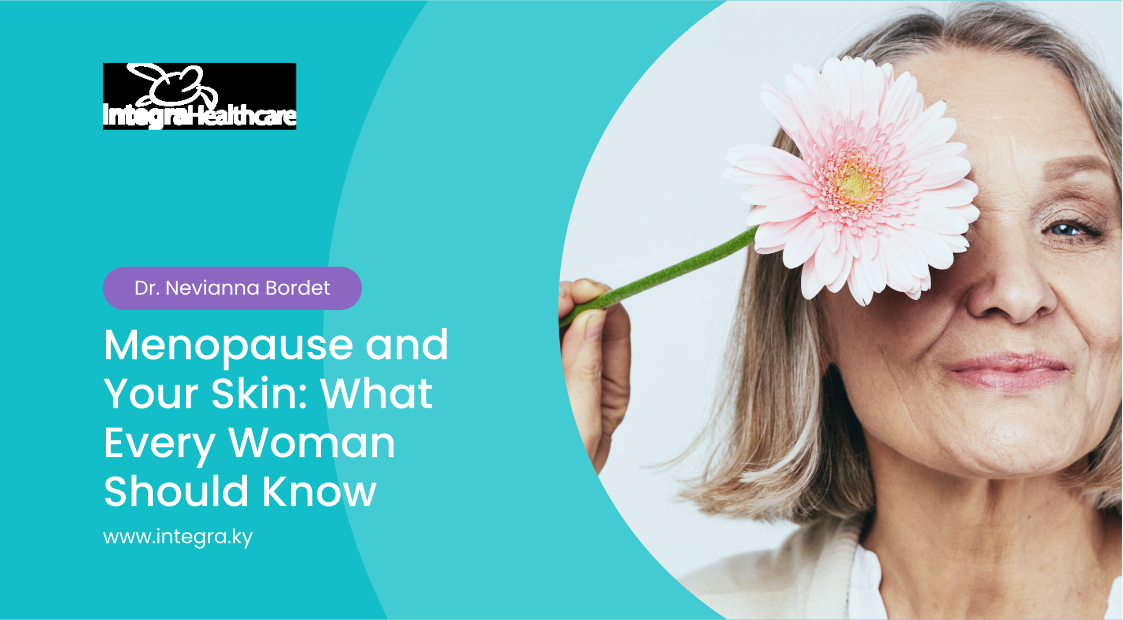
Menopause is a natural stage of life, but for many women, its impact on the skin and vulval area comes as a surprise. From dryness and itching to more serious conditions, these changes can affect confidence, intimacy, and quality of life. The good news? With the right knowledge and care, these symptoms can be managed safely and effectively.
Why Menopause Affects the Skin
Most of the symptoms women experience in mid-life are linked to one key change: falling oestrogen levels. Oestrogen is not just about fertility—it’s found in almost every tissue in the body. Receptors are located in the:
- Reproductive organs (uterus, ovaries, breasts)
- Brain (influencing mood, memory, and cognition)
- Bones and muscles (supporting strength and density)
- Cardiovascular system (protecting heart and blood vessels)
- Bladder and urinary tract
- Skin and fat tissue (affecting elasticity and metabolism)
When oestrogen levels decline—slowly from the mid-30s, more rapidly in the 40s—women experience wide-ranging symptoms. By the time menopause arrives, the body may have very little oestrogen left.
How Menopause Impacts the Skin and Vulva
Some of the most common skin-related changes in menopause include:
- Dryness and itching: Reduced oestrogen means less natural lubrication in the vulval and vaginal tissues.
- Thinning of the skin: Known as atrophy, this can make the skin fragile and prone to irritation or injury.
- Pain with intercourse: Narrowing of the vaginal opening and dryness can make intimacy uncomfortable.
- Urinary symptoms: Leaking when coughing or sneezing (stress incontinence) and urinary urgency are more common.
- Inflammation and irritation: The vulva can become more sensitive to fragranced products, soaps, or preservatives.
These symptoms are not “just part of getting older”—they are medical issues, and they are treatable.
Hormone Replacement Therapy (HRT)
One of the safest and most effective treatments for menopausal skin and vulval changes is local hormone replacement therapy (HRT).
- Local HRT (vaginal oestrogen): Creams, tablets, or pessaries applied directly to the vagina. Very safe, low-dose, and effective for dryness, itching, and vulval discomfort.
- Systemic HRT: Tablets, patches, or gels that help with wider symptoms such as hot flushes, night sweats, mood changes, and brain fog.
Unfortunately, many women avoid these treatments due to myths about safety. In reality, local vaginal oestrogen is extremely safe and rarely causes side effects.
Vulval Conditions in Mid-Life
Declining oestrogen makes the vulval area more vulnerable to conditions such as:
- Genitourinary Syndrome of Menopause (GSM): Previously called atrophic vaginitis, GSM is a more accurate term that reflects its impact on both the vulva and urinary system.
- Lichen sclerosus: An inflammatory condition causing itching and sometimes scarring, often appearing after menopause.
- Dermatitis and irritation: Often triggered by fragranced washes, wipes, or incontinence pads.
Specialist care is important because these conditions can look similar but require different treatments.
Breaking the Stigma
For too long, women have been told to “just get on with it” when it comes to menopause and vulval health. Cultural taboos mean that many never seek help, even when symptoms affect their relationships and day-to-day life.
It doesn’t have to be this way. By opening up the conversation about menopause and skin health, more women can access the treatments that will truly improve their quality of life.
The Takeaway
Menopause brings real changes to the skin and vulva, but help is available. Local and systemic treatments, combined with good vulval care, can make a profound difference. To hear more about this topic, tune in to the latest episode of Breast Intention, where Dr. Nevianna Bordet discuss menopause, vulval health, and breaking the silence around women’s intimate care.
If you are experiencing symptoms related to menopause or vulval health, book a consultation with Dr. Nevianna Bordet at Integra Healthcare today and take the first step towards feeling better.
You may also like to read…

Integra Healthcare Launches Consultant-Led Ophthalmology Service in Grand Cayman, Led by Dr Brenda Mulenga
Integra Healthcare has launched a new consultant-led Ophthalmology service, offering residents of the Cayman Islands comprehensive specialist eye care, from…
In the News: Integra Healthcare & Diabetes Eye Health
We’re proud to share recent media coverage highlighting Integra Healthcare’s commitment to specialist, patient-centred care in the Cayman Islands. In…
Virtual Lactation Support. Yes, It Actually Works.
By Katy Teasdale, RN, BSN, IBCLC When people hear “virtual lactation support,” they often picture a grainy video call and…